
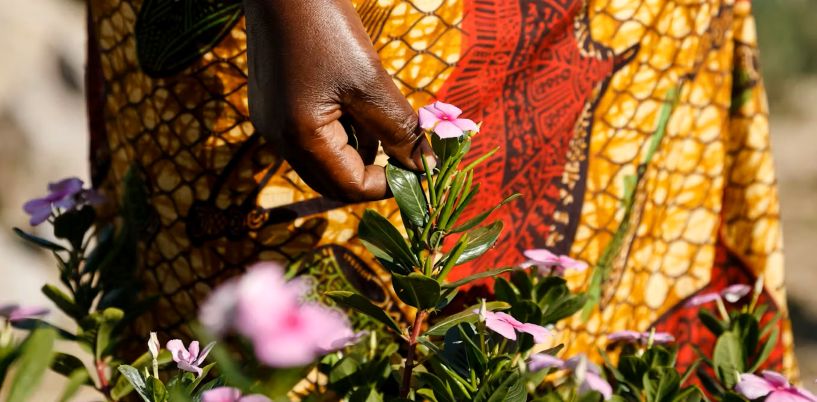
For generations, communities across Africa have relied on locally grown medicinal plants to address common health concerns. These traditional remedies, often referred to as the "people's pharmacy," represent centuries of accumulated knowledge and continue to play a vital role in healthcare systems throughout the continent. By growing these plants in your own garden, you can preserve this valuable traditional knowledge while creating a living resource for your family and community.
Important Safety Note
While medicinal plants can offer many benefits, they should be used responsibly and with proper knowledge. This article is for informational purposes only and is not intended to replace professional medical advice. Always consult with a healthcare provider before using any plant for medicinal purposes, especially if you are pregnant, nursing, taking medications, or have existing health conditions. Some plants may interact with medications or cause adverse reactions in certain individuals.
The Value of a Home Medicinal Garden
Creating a medicinal garden at home offers numerous benefits beyond just having remedies at hand:
- Preservation of Traditional Knowledge: By growing and using these plants, you help keep traditional healing practices alive for future generations.
- Sustainable Healthcare: A home medicinal garden provides accessible, affordable healthcare options that complement modern medicine.
- Biodiversity Conservation: Many traditional medicinal plants are becoming rare in the wild due to overharvesting and habitat loss. Growing them helps preserve these valuable species.
- Educational Value: A medicinal garden creates opportunities to teach children and community members about plant identification, traditional uses, and responsible harvesting.
- Connection to Heritage: Working with these plants helps maintain cultural connections and honors the wisdom of ancestors.
10 Essential Medicinal Plants for African Gardens
The following plants have been selected for their versatility, ease of cultivation, and historical importance in traditional African medicine. Many of these plants thrive in a variety of growing conditions and offer multiple health benefits.
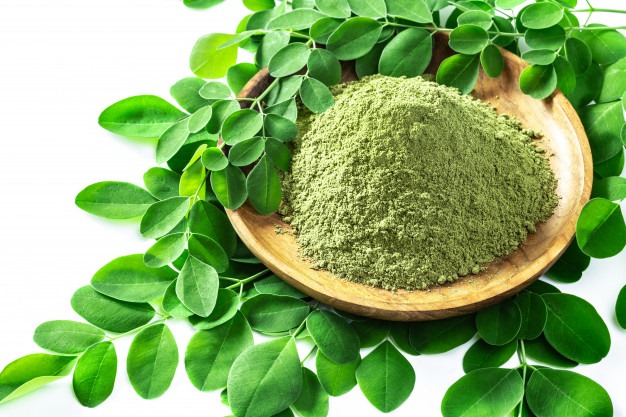
1. Moringa (Moringa oleifera)
Often called the "miracle tree," moringa is one of the most nutritious plants on earth. Its leaves, seeds, bark, roots, and flowers are all used medicinally.
Growing tips: Thrives in well-drained soil with full sun. Drought-tolerant once established. Can be grown as a tree or pruned as a bush for easier leaf harvesting.
Traditional uses: Treating malnutrition, reducing inflammation, supporting immune function, and addressing digestive issues.
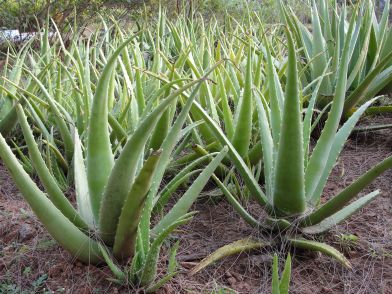
2. Aloe Vera (Aloe barbadensis)
This succulent plant stores water in its thick, fleshy leaves, which contain a clear gel used for various healing purposes.
Growing tips: Prefers well-drained sandy soil and full to partial sun. Very drought-tolerant and ideal for container growing.
Traditional uses: Treating burns, wounds, skin irritations, digestive issues, and as a general cooling remedy.
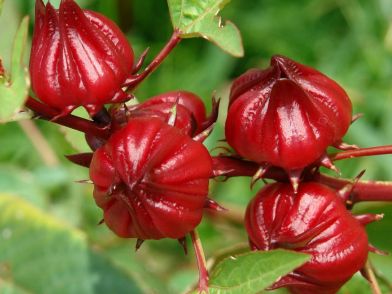
3. Hibiscus (Hibiscus sabdariffa)
Known as bissap or roselle in many parts of Africa, hibiscus produces vibrant red calyces (flower parts) that are used to make teas and infusions.
Growing tips: Needs full sun and regular watering. Grows well in most soils but prefers slightly acidic conditions.
Traditional uses: Supporting cardiovascular health, cooling fevers, providing vitamin C, and addressing mild hypertension.
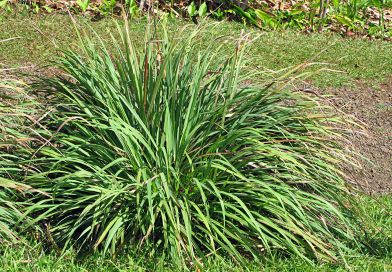
4. Lemongrass (Cymbopogon citratus)
This aromatic grass contains essential oils with a strong citrus scent and multiple medicinal properties.
Growing tips: Thrives in full sun and moist, well-drained soil. Can be grown in containers and divided when it becomes crowded.
Traditional uses: Easing digestive discomfort, reducing fevers, repelling insects, and as a relaxing tea for stress and anxiety.
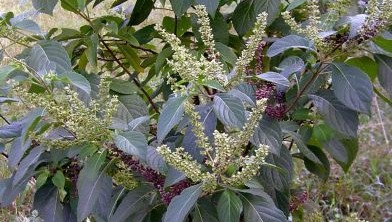
5. African Basil (Ocimum gratissimum)
Also known as clove basil or scent leaf, this aromatic herb has stronger medicinal properties than common culinary basil.
Growing tips: Grows best in rich, well-drained soil with full to partial sun. Regular harvesting encourages bushier growth.
Traditional uses: Treating respiratory infections, digestive issues, and as an antimicrobial for wounds and skin conditions.
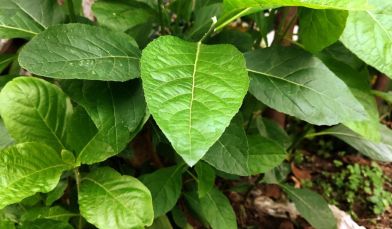
6. Bitter Leaf (Vernonia amygdalina)
As its name suggests, this plant has a bitter taste but offers powerful medicinal benefits that have made it a staple in traditional healing.
Growing tips: Adaptable to various soil types but prefers rich, well-drained soil. Can be grown as a shrub or small tree.
Traditional uses: Supporting treatment of malaria, digestive disorders, diabetes management, and as a general tonic.
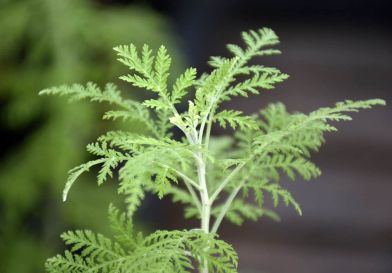
7. Artemisia (Artemisia afra)
African wormwood is a highly aromatic shrub with feathery silver-green leaves that has been used medicinally throughout Africa for centuries.
Growing tips: Prefers well-drained soil and full sun. Drought-tolerant once established and can be pruned regularly to maintain shape.
Traditional uses: Treating respiratory conditions, fever, digestive disorders, and as a supportive treatment for malaria.
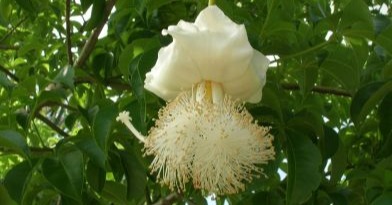
8. Baobab (Adansonia digitata)
The iconic "tree of life" produces nutrient-dense fruit powder and leaves that have been used medicinally for generations.
Growing tips: Slow-growing but extremely long-lived. Needs well-drained soil and full sun. Best suited for larger gardens or as a community tree.
Traditional uses: Addressing malnutrition, supporting immune function, treating fevers, and alleviating digestive issues.
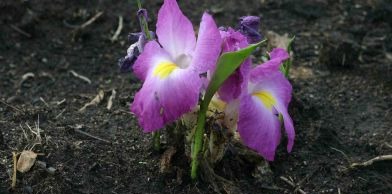
9. African Ginger (Siphonochilus aethiopicus)
Also known as wild ginger, this plant has rhizomes (underground stems) with potent medicinal properties similar to common ginger but with unique compounds.
Growing tips: Prefers partial shade and rich, moist soil. Goes dormant during dry seasons, so mark its location.
Traditional uses: Treating colds, flu, asthma, sinusitis, headaches, and inflammatory conditions.
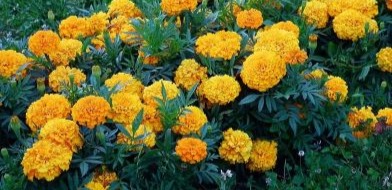
10. African Marigold (Tagetes erecta)
These bright orange and yellow flowers aren't just ornamental—they have significant medicinal properties and help protect other garden plants from pests.
Growing tips: Easy to grow from seed in full sun and most soil types. Self-seeds readily and can be grown as an annual.
Traditional uses: Treating skin conditions, repelling insects, addressing eye inflammations, and as an antimicrobial.
Cultivation and Harvesting Best Practices
To ensure the highest quality and efficacy of your medicinal plants, follow these guidelines:
Cultivation
- Soil Preparation: Most medicinal plants benefit from well-drained soil enriched with compost. Avoid chemical fertilizers and pesticides on plants intended for medicinal use.
- Companion Planting: Many medicinal plants support each other when grown together. For example, marigolds help protect other plants from pests.
- Water Management: While some medicinal plants are drought-tolerant, most benefit from consistent moisture, especially when young.
- Mulching: Apply organic mulch around plants to conserve moisture, suppress weeds, and add nutrients to the soil as it breaks down.
Harvesting
- Timing: Harvest most herbs in the morning after dew has dried but before the heat of the day, when essential oil content is highest.
- Plant Parts: Different parts of plants (leaves, flowers, roots, bark) are harvested at different times:
- Leaves: Usually best harvested just before flowering
- Flowers: Collect when fully open but not fading
- Roots and bark: Typically harvested in fall or early spring
- Sustainable Practices: Never harvest more than one-third of a plant at one time to ensure its continued growth.
- Tools: Use clean, sharp tools to minimize damage to plants and reduce the risk of infection.
Basic Preparation Methods
There are several ways to prepare medicinal plants for use:
Common Preparation Methods:
- Infusions: Pour boiling water over leaves, flowers, or stems and steep for 10-15 minutes. Used for most leafy herbs and flowers.
- Decoctions: Simmer tougher plant parts like roots, bark, or seeds in water for 15-30 minutes. Used for woody or harder plant materials.
- Poultices: Crush fresh plant material and apply directly to the skin, often for wounds, stings, or skin conditions.
- Tinctures: Soak plant material in alcohol (or vinegar) for several weeks to extract medicinal compounds. Provides a concentrated form with longer shelf life.
- Drying: Air-dry plants in a warm, dark place with good air circulation for storage and later use.
Integrating Traditional and Modern Healthcare
Traditional plant medicines and modern healthcare can complement each other effectively. Many conventional medications were originally derived from plants, and research continues to validate traditional uses of medicinal plants.
When using medicinal plants:
- Inform your healthcare providers about any herbal remedies you use
- Research potential interactions with medications
- Start with small amounts to test for allergic reactions
- Keep detailed records of what works for specific conditions
- Recognize when professional medical care is needed
Preserving Traditional Knowledge
Beyond their physical benefits, medicinal plants represent cultural heritage and traditional knowledge that deserves preservation. Consider these ways to help preserve this knowledge:
- Document traditional uses and preparation methods from elders in your community
- Create community medicinal gardens where knowledge can be shared
- Teach children about medicinal plants and their responsible use
- Share seeds and cuttings of traditional medicinal plants
- Support organizations working to protect indigenous knowledge and plant biodiversity
Conclusion
A home medicinal garden connects us to centuries of traditional wisdom while providing practical healthcare resources. By growing these ten essential medicinal plants, you contribute to preserving biodiversity, cultural knowledge, and sustainable healthcare practices. Start small, perhaps with just two or three plants that address your family's common health needs, and gradually expand your garden and knowledge. Remember that the most powerful aspect of growing medicinal plants is not just the remedies they provide but the connection they foster to nature, heritage, and community well-being.


