Learn how to turn waste into valuable soil amendment through the art and science of composting. Our comprehensive guides combine traditional knowledge with modern techniques for successful composting in any setting.
Our most comprehensive guide for community composting covers everything from site selection and system design to community engagement and compost distribution. Learn how to establish and maintain successful community composting programs that transform waste into a valuable resource while building community connections.
This guide includes detailed instructions for different composting methods, troubleshooting common problems, and strategies for engaging community members in the composting process. It also provides templates for record-keeping, volunteer management, and educational workshops.
Download Guide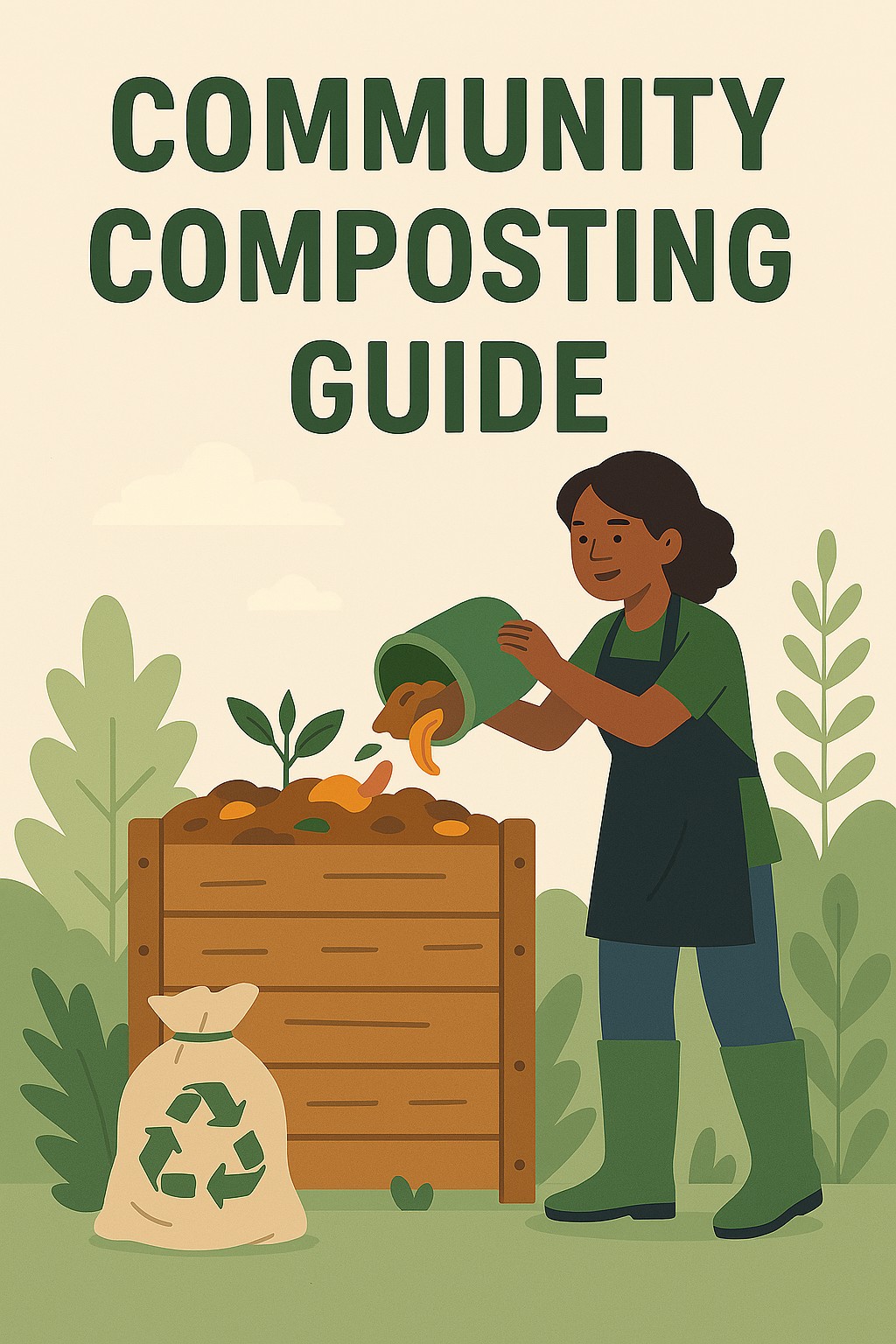
Dilulu's composting guides are developed through collaboration between soil scientists, traditional farmers, and community composting practitioners across Africa. Each guide combines practical techniques with cultural context, ensuring that the information is both technically sound and culturally relevant.
Our guides are designed to be accessible to composters of all experience levels, with clear instructions, helpful illustrations, and step-by-step processes. Whether you're starting your first home compost bin or managing a community composting program, you'll find resources tailored to your needs.
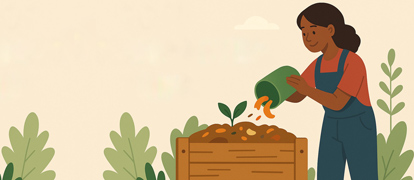
A comprehensive guide to starting and maintaining a successful home composting system. Covers bin selection, material balance, troubleshooting, and using finished compost in your garden.
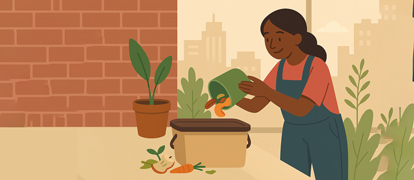
Learn about the Japanese method of fermenting kitchen waste, perfect for apartments and urban settings. This guide covers making bokashi bran, setting up a system, and using the fermented material.
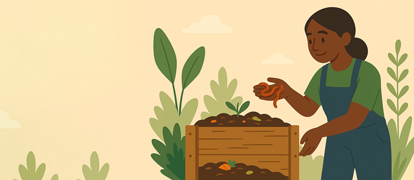
A complete guide to setting up and maintaining a worm composting system. Learn about worm species, bin design, feeding, harvesting worm castings, and troubleshooting common problems.
These guides focus on specific composting techniques or contexts:

Learn how to create and maintain a hot compost pile that breaks down materials quickly and kills weed seeds and pathogens. Includes temperature monitoring, turning schedules, and troubleshooting.

A comprehensive guide for teachers and administrators on implementing successful school composting programs. Includes curriculum connections, student engagement strategies, and system management.

Learn how to brew compost tea to extract beneficial microorganisms and nutrients from finished compost. Includes brewing methods, application rates, and plant-specific recipes.
Follow these simple steps to start your own composting system at home or in your community garden.
Decide between a traditional compost pile, a tumbling composter, vermicomposting (worm composting), or bokashi composting based on your space and needs.
Choose a dry, shady spot near a water source. Ensure good drainage and easy access for adding materials and harvesting compost.
Collect "browns" (carbon-rich materials like dry leaves, straw, and paper) and "greens" (nitrogen-rich materials like food scraps, coffee grounds, and fresh plant trimmings).
Start with a layer of browns, then add greens, and continue alternating. Aim for a ratio of about 3 parts browns to 1 part greens by volume.
Keep your compost as moist as a wrung-out sponge. Turn it regularly to add oxygen and speed up decomposition. Add more browns if it smells bad or more greens if it's not heating up.
Compost is ready when it's dark brown, crumbly, and smells earthy. Use it to amend garden soil, as a top dressing for lawns, or mix it into potting soil for container plants.
You can compost most plant-based materials including fruit and vegetable scraps, coffee grounds and filters, tea bags, eggshells, yard trimmings, leaves, paper, and cardboard. Avoid meat, dairy, oils, diseased plants, and pet waste in basic compost systems.
Composting time varies based on materials, method, and management. Hot composting can produce finished compost in 1-3 months, while passive composting may take 6-12 months. Vermicomposting typically takes 3-6 months, and bokashi fermentation takes just 2-4 weeks (though the fermented material still needs to be buried or further composted).
Bad odors usually indicate too much moisture, too many green materials, or poor aeration. Add more brown materials, turn the pile to incorporate oxygen, and ensure proper drainage. A healthy compost pile should smell earthy, not putrid.
Yes! Indoor options include bokashi fermentation and vermicomposting (worm bins). These methods are odor-free when properly maintained and can be kept under sinks, in closets, or on balconies. You can also freeze scraps until you can take them to a community composting site.

Comprehensive guide for establishing and managing community composting programs, including site selection, system design, volunteer management, and educational outreach.
Download
Solutions for common composting problems including odors, pests, slow decomposition, and moisture issues, with detailed diagnostic charts and remedies.
Download
Collection of compost tea recipes for different plants and purposes, including brewing methods, application rates, and storage guidelines.
Download
Educational materials for teaching composting in schools, including lesson plans, activities, worksheets, and assessment tools aligned with science standards.
Download